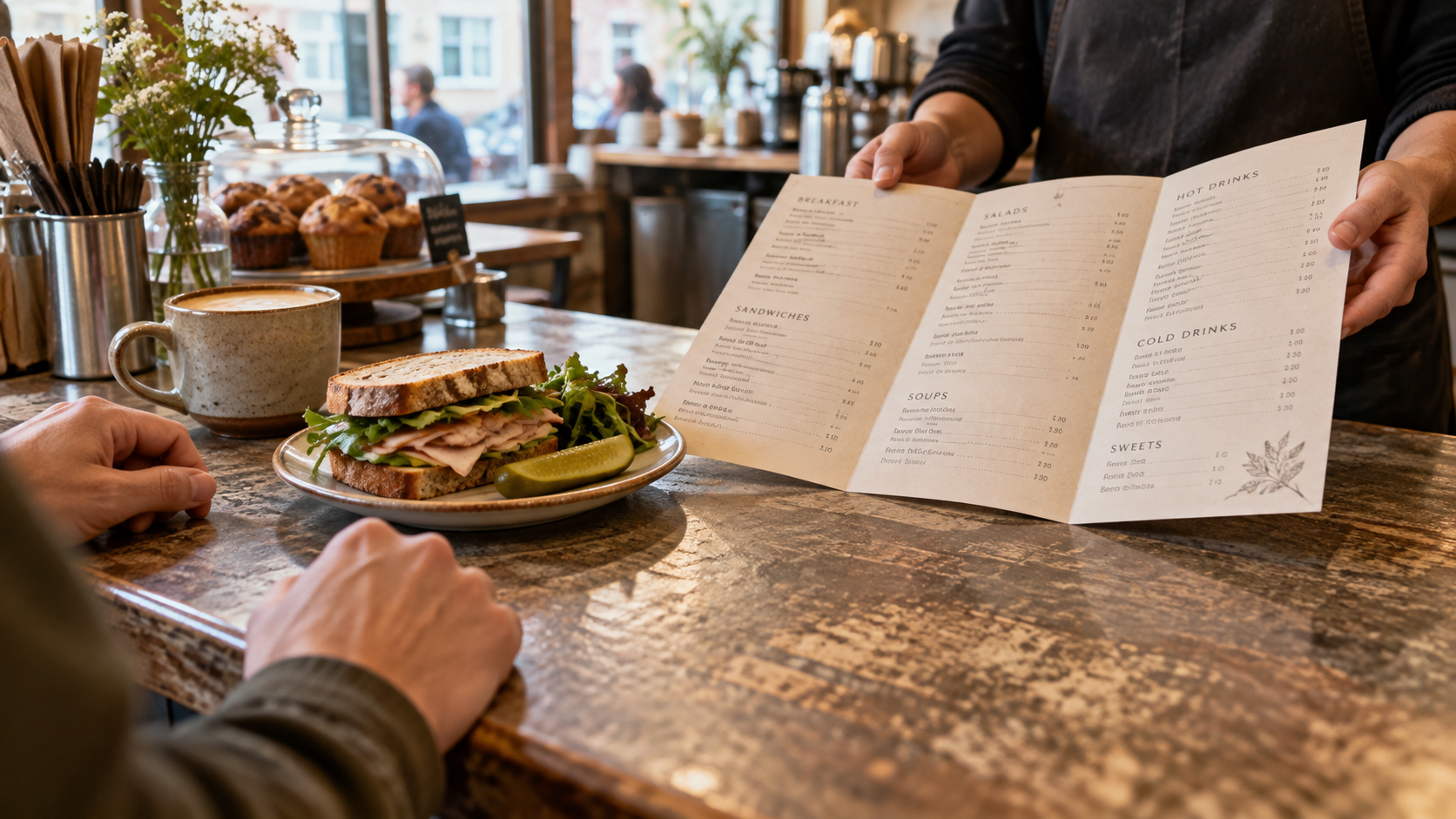
I was waiting for coffee when somebody behind me ordered “the same one as last week, please.”
No review score. No satisfaction questionnaire. No promotional email required to explain that the coffee was worth another go.
I thought about that afterwards, probably more than the occasion deserved. A first order can arrive with a great deal of hope in it. The second comes with some experience.
That makes a repeat purchase interesting. It does not make it a perfect little truth detector.
People return for all sorts of reasons. The product worked. The price suited them. They needed another item. A discount nudged them. They were buying for somebody else. They could not remember where the alternative shop was.
If I announce that every second order proves we created lasting loyalty, I'm doing the same optimistic storytelling I complain about in other reports.
But I want to look at it anyway.
Take a shop selling something people might replace or replenish. The first purchase is promoted with a particular promise. The page explains the product. The parcel arrives. At some point the customer has a chance to use it.
If we rush to judge repeat behaviour before that point, we aren't learning much about the experience. We are mostly learning that time exists.
A durable product has a different rhythm again. A person buying a lamp might be delighted and never need another lamp from us. Their absence is not necessarily a tragic retention problem. The household may simply have enough bloody lamps.
This is where I get irritated by blanket instructions to “drive the second purchase.” Drive it where? Toward another thing the person wants, or toward a new order number we would like to put on a chart?
Sometimes the good decision is to send useful information about the thing they already bought and leave them alone.
The first order gets a vote
Before choosing another promotion, I would read what happened after the first sale. Were delivery messages clear? Did the product match the page? Was a useful detail missing? Did the customer have to chase an answer?
The second invitation lands in that context. A cheerful “we miss you” email can feel ridiculous when the person is still waiting for a reply about the first order.
I don't want advertising to inherit responsibility for every service detail. I want it to stop pretending those details are somebody else's universe.
If the experience has been decent, the next offer can recognise what the person already knows. They don't need a breathless introduction to the business. They may need information about a compatible item or a different use. The reason for contacting them should make sense to them as well as to the calendar.
If the experience hasn't been decent, another discount may be the wrong bloody conversation.
What I would put in the notebook
I'd compare groups with enough time to have had a realistic second need. I'd keep product families visible. I'd note whether the invitation involved a promotion, because a discounted repeat order is not identical to an unprompted one.
I would resist forcing a single explanation onto the result. A low repeat rate might suggest disappointment, but it might also reflect the product's normal use. Customer questions and actual order patterns can help distinguish those stories.
And I would ask the business what a good ongoing relationship looks like. More purchases isn't the only possible answer. Perhaps the customer comes back for advice, recommends the service, or buys the next replacement when it is due.
The coffee customer had an easy answer: same again. Most businesses have a less tidy version.
I like studying that untidy bit. It is where the account starts to meet ordinary life, and where the shiny first-sale story either becomes useful or quietly falls apart.
A thought worth keeping?